Cladding Replacement in Boston, MA
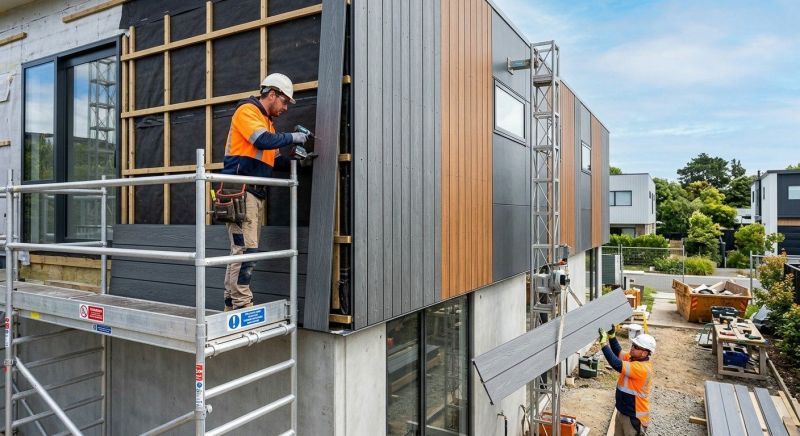
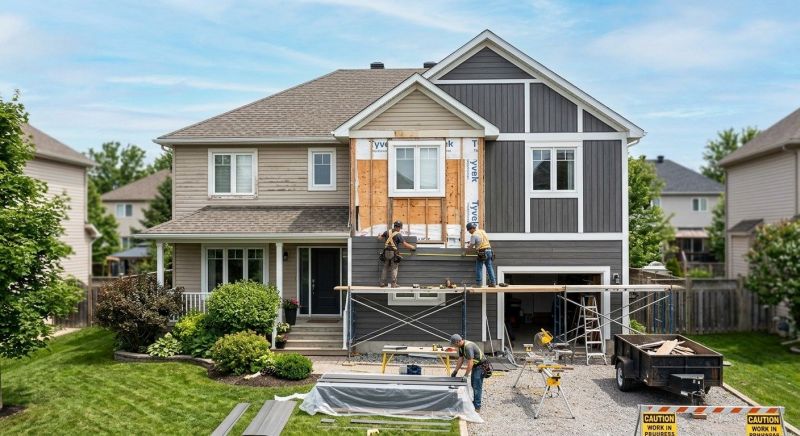
Cladding replacement services involve removing existing exterior cladding materials and installing new ones to improve the appearance, durability, and insulation of a property. This process is commonly used on residential homes, commercial buildings, and renovation projects where the existing cladding has become damaged, outdated, or no longer meets performance needs. Property owners typically seek this service to enhance curb appeal, address issues like moisture intrusion or mold, or to upgrade to more modern and energy-efficient cladding options such as vinyl, fiber cement, or wood siding.
Before requesting cladding replacement, property owners should consider factors such as the condition of the current cladding, the desired material for the new exterior, and any local building codes or regulations that may apply. It’s also helpful to understand the scope of work involved, including the removal process, preparation of the underlying structure, and the installation of the new cladding. Having clear information about these aspects can ensure a smoother project and help inform decisions about the best materials and styles for the property’s needs.
Many property owners in Boston, MA look into Cladding Replacement for repairs, replacements, upgrades, and appearance-related improvements.
Enhancing Building Appearance
Cladding replacement can improve the aesthetic appeal of residential and commercial properties in boston.
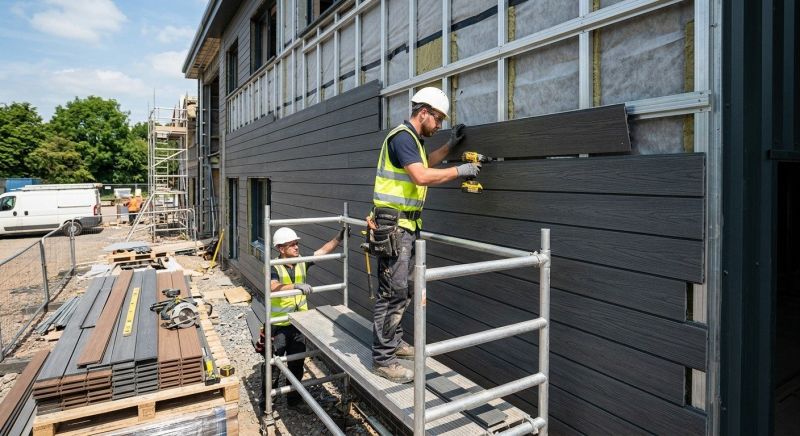
Improving Weather Resistance
Upgrading cladding helps protect structures from moisture, wind, and other elements common in the boston area.
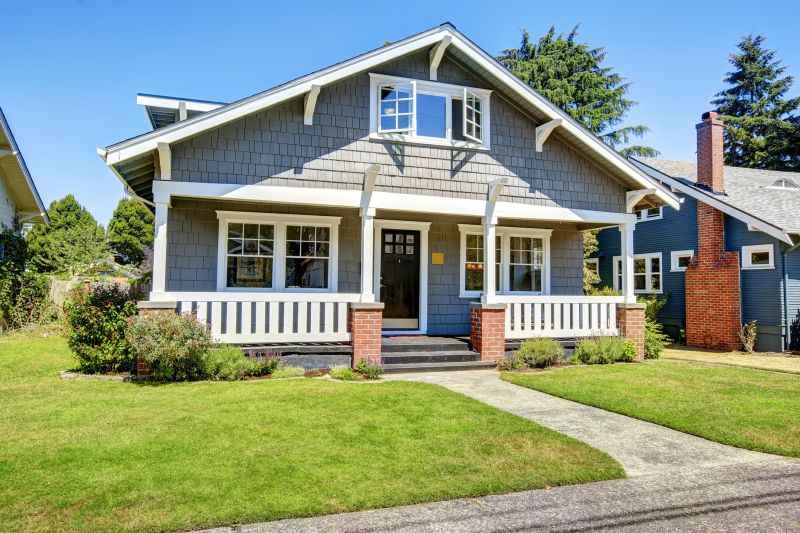
Increasing Property Value
Replacing outdated or damaged cladding can boost the overall value and curb appeal of your property.
Cladding Replacement in Boston, MA

Cladding replacement services involve removing existing exterior cladding materials and installing new ones to improve the appearance, durability, and insulation of a property. This process is commonly used on residential homes, commercial buildings, and renovation projects where the existing cladding has become damaged, outdated, or no longer meets performance needs. Property owners typically seek this service to enhance curb appeal, address issues like moisture intrusion or mold, or to upgrade to more modern and energy-efficient cladding options such as vinyl, fiber cement, or wood siding.
Before requesting cladding replacement, property owners should consider factors such as the condition of the current cladding, the desired material for the new exterior, and any local building codes or regulations that may apply. It’s also helpful to understand the scope of work involved, including the removal process, preparation of the underlying structure, and the installation of the new cladding. Having clear information about these aspects can ensure a smoother project and help inform decisions about the best materials and styles for the property’s needs.
Many property owners in Boston, MA look into Cladding Replacement for repairs, replacements, upgrades, and appearance-related improvements.
Common Cladding Replacement Jobs
Cladding Replacement - involves removing and installing new exterior cladding to improve appearance and durability.
Vinyl Cladding Replacement - updates worn or damaged vinyl siding for a fresh, long-lasting look.
Fiber Cement Cladding - replaces damaged fiber cement panels to enhance weather resistance.
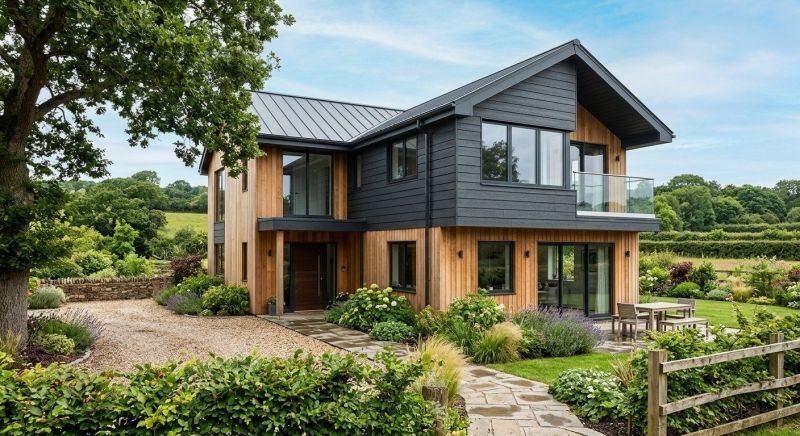
Wood Cladding Replacement - restores or upgrades wood siding for improved aesthetics and protection.
Stucco Cladding - replaces cracked or deteriorated stucco to maintain curb appeal and structural integrity.
Metal Cladding - upgrades or replaces metal panels to ensure corrosion resistance and a modern appearance.
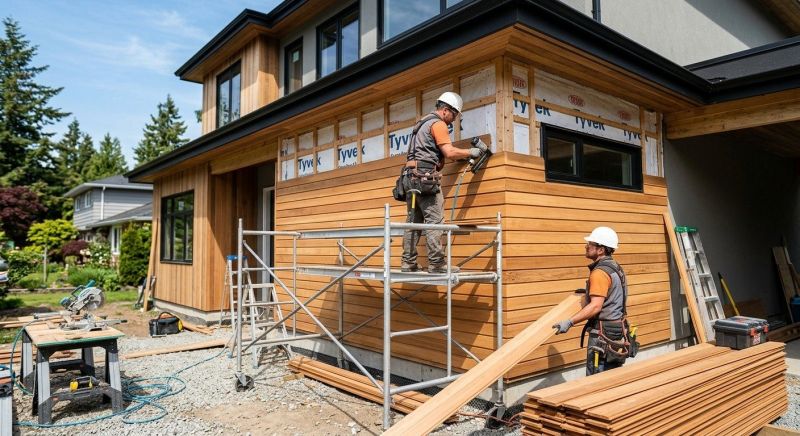
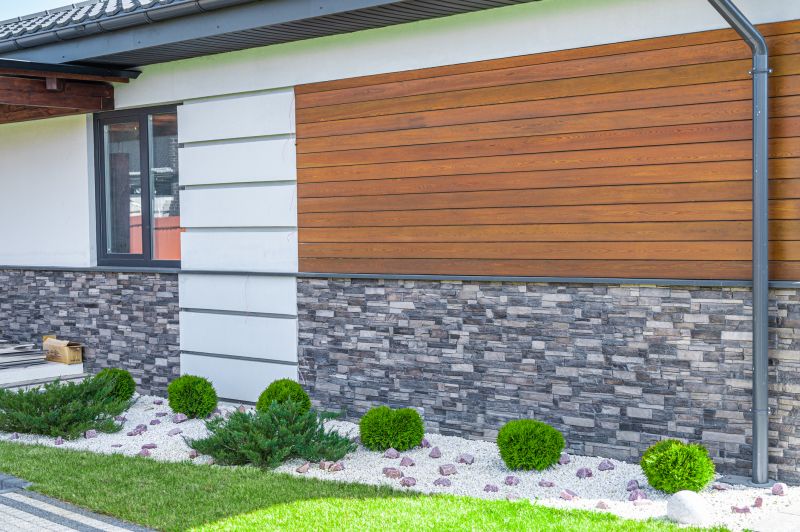
Cladding Replacement Questions
What types of buildings can benefit from cladding replacement? Cladding replacement is suitable for residential homes, commercial properties, and multi-family buildings needing exterior updates or repairs.
How do I know if my building needs new cladding? Signs include visible damage, warping, or deterioration of the current cladding, as well as increased energy costs or water infiltration issues.
What materials are commonly used for cladding replacement? Common options include vinyl, fiber cement, metal, and composite materials, chosen based on durability and aesthetic preferences.
What should property owners consider before replacing cladding? It's important to assess the condition of existing cladding, compatibility with the building's structure, and desired appearance for the new exterior.
Request Cladding Replacement in Boston, MA
Use the quote form on this page to share the basics of your project and request more information for the type of work you need.